Our Mission is to join communities, build and strengthen neighbor relations, and work side by side with residents to address community-wide concerns linking them to the resources supportive of a healthy, safe and economically vibrant standard of living.
Featured Programs

Provides thousands of food boxes, each enough to feed a family of 4 for a week, to communities in need.
EDUCATION PROGRAM

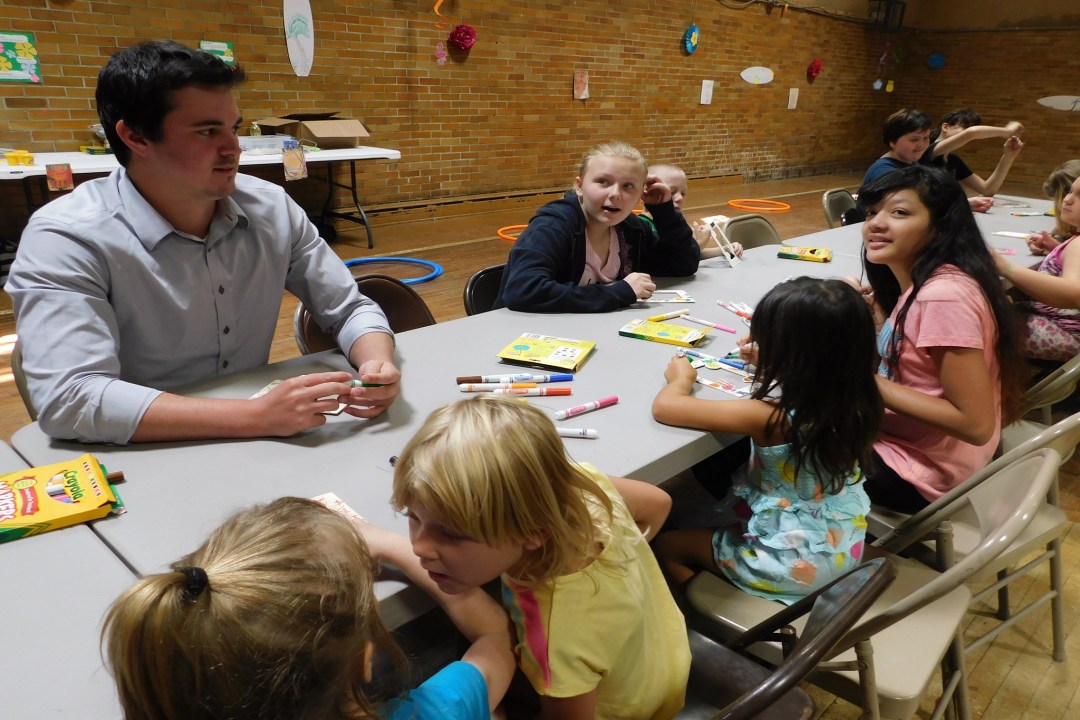
Offers children academic assistance, school supplies and the support they need to be successful in school.
HOME REHABILITATION

Provides families with safe and stable housing, including repairing roofs, floors, rotting porches and stairs and more .
Our Partners
We are thankful for the organizations who have partnered with Americans Helping Americans to make positive changes to the lives of many in our nation.
Our Impact

Learn about ways that Americans Helping Americans is making a difference in the lives of families and individuals in our communities.
There are many ways you can help support Americans Helping Americans® and our important programs.

Repairing and Rebuilding Homes, and Lives
Rebuilding Homes and Lives in the Heart of Appalachia In rural Appalachia, the arrival of spring is a spectacle of nature's revival, with early bloomers and budding trees painting the landscape in vibrant colors. Yet, beyond nature's beauty, spring marks a season of...

Want2Work students are winning awards and landing jobs!
Through the Americans Helping Americans® Want2Work initiative, our partners – the Lee County and the Estill County Area Technology Centers (ATC), both located in Kentucky, and the Lee County Career and Technical Center (CTC) in Virginia – are helping to ensure that...

10,000 Food Boxes a year make a difference in these Appalachian communities
Throughout Appalachia, families living month-to-month or week-to-week struggle to get by working minimum wage jobs or relying on meager fixed incomes and government assistance to keep their children and themselves from going hungry. “For the past three years,...

Our Gardening Programs Sprouts more than Food
Throughout Appalachia, children and families go hungry every day due to food insecurity issues, primarily because their limited financial resources mean that they are faced every month with the difficult decision of whether to pay their rent, utilities, or other...

Americans Helping Teachers Grant recipients see progress already this school year!
For teachers, particularly those working in hard-pressed Appalachian communities where their school districts struggle to fund even their core educational priorities, it is frustrating for them to be aware of classroom needs that would greatly benefit their students...

Serving Our Neighbors: American Helping Americans’ Impact in 2023
2023 was a year of great progress for AHA. The work we do, serving our neighbors where they need it most, is both necessary and rewarding. See the stories.